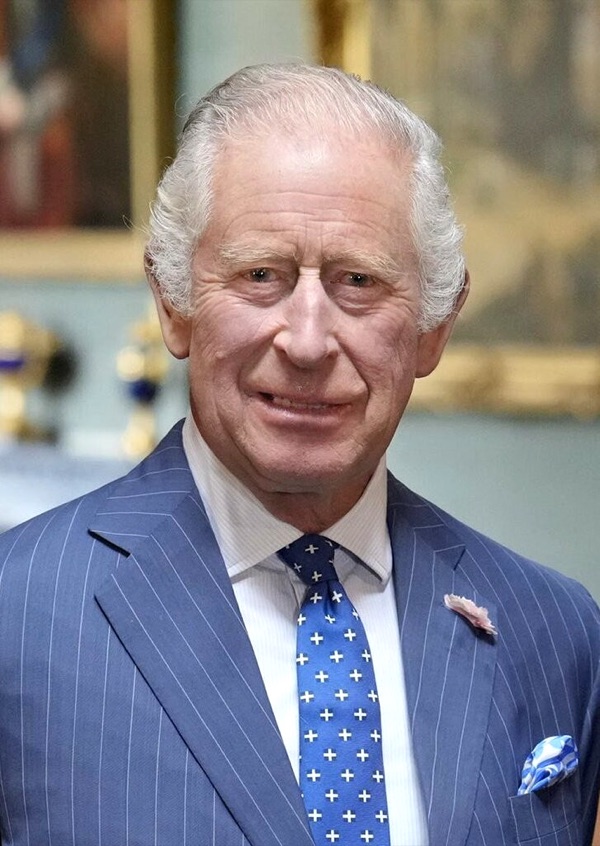
He waited longer than any heir in British history, and when the moment finally arrived — 8 September 2022, at Balmoral, with the death of his mother at ninety-six — Charles Philip Arthur George became King Charles III at the age of seventy-three. The Crown passed to a man who had spent decades running organic farms, lobbying governments about architecture, and quietly accumulating one of the more interesting personal fortunes in Europe. Yet within hours of the accession, the internet had already inflated that fortune by a factor of roughly twenty-five, crediting him with buildings, artworks, and portfolios he has no personal claim to whatsoever.
The distinction matters. Not as a defence of the monarchy, and not to diminish a genuinely substantial private wealth. It matters because Britain’s royal finances are the textbook case for why “net worth” is nearly useless as a concept when applied to a sovereign.
What the Crown Owns (Which Isn’t His)
The Crown Estate is the institution most commonly folded into royal net-worth estimates, and doing so is simply wrong. It is a statutory commercial portfolio — land, urban property, the seabed around England, Wales, and Northern Ireland — with a capital value that has been estimated around £15.6 billion. Its profits do not go to the King. By law, they flow to the Treasury, which in turn pays the monarch a Sovereign Grant (recently set at twelve percent of Crown Estate profits) to fund official duties. Charles cannot sell a Crown Estate property. He cannot pledge its assets. He does not control its governance. Calling it his wealth is roughly as accurate as calling the NHS his health service because he appears on the coins.
The Royal Collection — some 1.3 million objects including Old Masters, the Crown Jewels, and furniture accumulated across five centuries of monarchy — is held in trust for the nation. It exists so that future monarchs can use it and the public can see it; it cannot be auctioned to cover a bad investment. These are not personal assets. They are, in a meaningful sense, national ones that happen to be curated by the royal household.
What He Actually Controls
The Duchy of Lancaster is closer to genuinely royal territory, though even here the picture is complicated. The Duchy is a portfolio of roughly 18,400 acres of English and Welsh land — rural estates, urban commercial property, historic buildings — valued at around £653 million as of 2022. Its net income flows directly to the monarch as the Privy Purse, running to approximately £24 million a year in recent years. Charles cannot sell Duchy assets for personal gain, and the capital belongs to the Crown rather than to him personally. What he receives is the income, not ownership of the underlying portfolio. It is, in effect, an endowment that funds the monarch’s private expenses.
Then there are the estates that are genuinely, unambiguously his. Sandringham House in Norfolk and Balmoral Castle in Aberdeenshire were inherited from Queen Elizabeth II as private property — passed outside the Crown, as personal bequests. These are the kinds of assets a monarch can, in principle, mortgage or sell. Both properties carry considerable value, and both come with attached farms and land.
Beyond the landed estates, Charles brought to the throne a personal portfolio shaped partly by decades of Duchy of Cornwall income — the Duchy that funded his life as Prince of Wales passed to his son William on accession — and by private investments and gifts accumulated over a long public life.
The Number
The Sunday Times Rich List has estimated Charles III’s personal wealth at around £600 million, with some assessments nudging higher once Sandringham, Balmoral, and private holdings are included. Our working figure is approximately £640 million for genuinely personal assets, set against roughly £15.6 billion in Crown and institutional property he administers but does not own. That institutional figure is real — it represents genuine economic power exercised in the name of the Crown — but it belongs to the institution, not the individual.
Put differently: Charles III is comfortably among the wealthiest individuals in the United Kingdom. He is not, by any honest accounting, worth sixteen billion pounds.
The monarchy’s financial arrangements are unusually well-documented by royal standards — annual Sovereign Grant accounts, Duchy reports, and parliamentary scrutiny all shed partial light — but private investment holdings remain private. The personal figure should be treated as an informed estimate, not a certified balance sheet.